

Traveling During Typhoon Season: A Complete Safety Guide
Are you watching the typhoon forecast and wondering whether to cancel your carefully planned trip? As someone who has guided many international visitors through Japan, I can tell you that with proper preparation and smart planning, it’s entirely possible to have an enjoyable trip during typhoon season. In fact, this time of year offers unique experiences you won’t find otherwise. However, safety must always come first when making your plans. In this article, I’ll walk you through important considerations for visiting the region during typhoon season, along with alternative plans that work well even in bad weather.
Understanding Typhoon Information: What You Need to Know
From the planning stage through your travel day, continuous monitoring of typhoon updates is essential. The Japan Meteorological Agency’s official website provides regularly updated information on typhoon paths and weather warnings. English information is also available, so even if your Japanese is limited, you can stay well-informed.
Typhoon intensity is categorized into three levels: “Strong,” “Very Strong,” and “Violent.” These classifications are based on wind speed, and even a “Strong” typhoon requires serious precautions. Additionally, transportation services often announce planned suspensions 24 to 48 hours before a typhoon’s arrival. I strongly recommend checking for these announcements as well.
In my experience, many visitors tend to think “a little rain won’t be a problem,” but typhoons are completely different from regular rain. The winds are extremely powerful—umbrellas become not just useless but potentially dangerous projectiles. Understanding the typhoon’s scale and predicted path will help you make an informed decision about whether to proceed with your trip.
Checking Cancellation Policies for Activities in Advance
For any tours or activities you’ve booked, I recommend reviewing the cancellation policies beforehand. Most tourist facilities and activity providers have clear policies for severe weather situations.
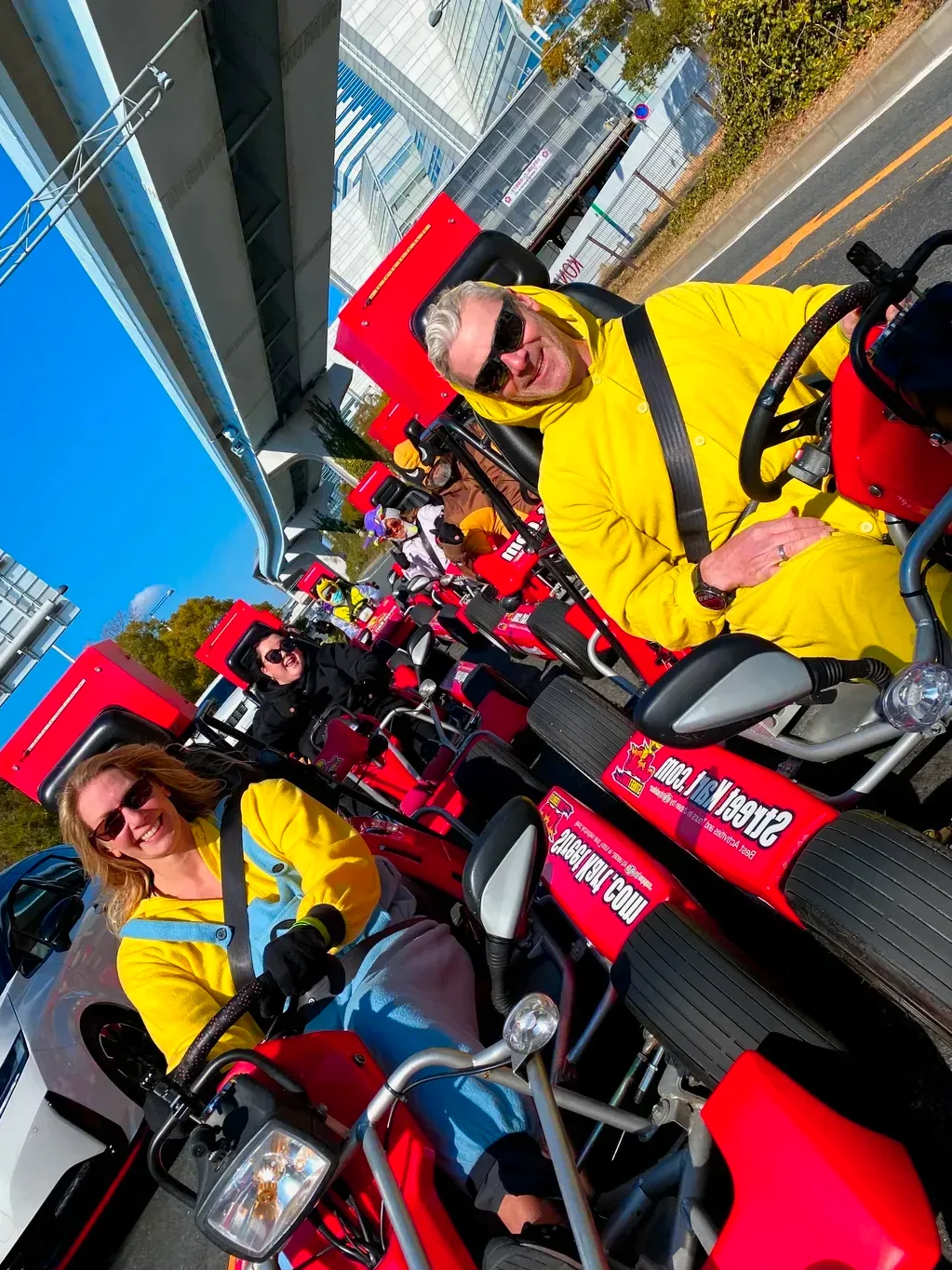
For outdoor activities like street kart experiences, operations may be suspended during typhoons or bad weather for safety reasons. When making your reservation, ask “What happens in case of bad weather?” and confirm whether cancellation fees apply or if you can reschedule. This will give you peace of mind.
The same applies to hotel reservations. Check in advance what happens if transportation stops due to a typhoon and you can’t arrive on your check-in date. Many hotels are flexible about delays caused by typhoons and other force majeure events, but it’s important to contact them proactively.
Indoor Activities That Work Well During Typhoons
Even when going outside becomes difficult due to a typhoon, the region offers many attractive indoor facilities. Museums and art galleries are excellent choices where you can experience culture comfortably. You can learn about Japanese history and traditions while staying dry and comfortable.
Shopping malls and department stores can also serve as shelter during typhoons. Many facilities are connected via underground walkways, allowing you to move around without getting wet. Taking time to enjoy regional cuisine at a local restaurant is another great option.
Among the international visitors I’ve guided, some have told me “the hot spring facility I visited on a typhoon day was memorable.” They appreciated being able to relax indoors while experiencing Japan’s unique onsen culture. As you can see, even in bad weather, you can create wonderful memories by being creative with your plans.
Tracking Transportation Status in Real Time
When a typhoon approaches, railways, buses, and flights are significantly affected. Check the latest operational information on each transportation company’s official website or app. Many railway companies provide information in English as well.
Let me explain the concept of “planned suspension.” When a typhoon is expected, services may be suspended in advance for safety. Usually, both the suspension start time and expected resumption time are announced, so you’ll need to plan your activities based on this information.
Getting to the airport requires special attention. If roads flood or trains stop due to a typhoon, you might not be able to reach the airport. Even if your flight is operating, it’s meaningless if you can’t get there. If your departure date coincides with a typhoon, consider changing your hotel to one near the airport the night before.
Prioritizing Safety in Your Decision-Making
No matter how much you’ve looked forward to your trip, nothing takes priority over safety. When warnings are issued, the basic rule is to stay indoors. Particularly if a “Special Warning” is issued, it indicates a life-threatening dangerous situation, and you should absolutely avoid going outside.
During the typhoon, strong winds can cause signs and tree branches to become airborne hazards. Also, stay well away from rivers and the ocean. Even normally calm rivers can rise rapidly during typhoons and become extremely dangerous.
If you’re staying at a hotel, follow the staff’s instructions. If evacuation becomes necessary, move to the designated location. Also, prepare for possible power outages by fully charging your mobile phone and confirming the location of flashlights.
Planning Post-Storm Activities
After a typhoon passes, the air often becomes crisp and clear, offering beautiful scenery. This is your opportunity to enjoy the outdoor activities you had to postpone.
For example, the street kart experience is highly recommended once the weather clears. Riding through the streets in costume and breathing in the fresh post-typhoon air creates special memories. However, since branches and debris from signs may be scattered on roads after a typhoon, operations resume only after the company confirms safety.
Parks and gardens also display particularly vibrant greenery after rain, offering beautiful views. Additionally, tourist sites may be temporarily less crowded due to typhoon effects, giving you the advantage of leisurely exploring normally busy locations.
Summary: Flexible Planning and Safety Awareness Make Typhoon Season Enjoyable
Travel during typhoon season certainly carries risks, but with proper preparation and flexible responses, you can thoroughly enjoy your trip. The key points are: constantly checking the latest weather information, understanding cancellation policies, and above all, prioritizing safety.
A trip with good balance—enjoying cultural experiences at indoor facilities during bad weather, then savoring outdoor activities in the open air after conditions improve—can be particularly rewarding. To minimize typhoon impacts, it’s also important to build flexibility into your travel schedule.
When a typhoon is forecast, check early on reservation sites like kart.st about the possibility of rescheduling, and prepare to respond flexibly. Put safety first and create wonderful travel memories.
Notice Regarding Costumes
Our shop does not rent Nintendo or “Mario Kart” related costumes. We only provide costumes that respect intellectual property rights.
